Key Takeaways from the Electrification of the Hume Highway Event
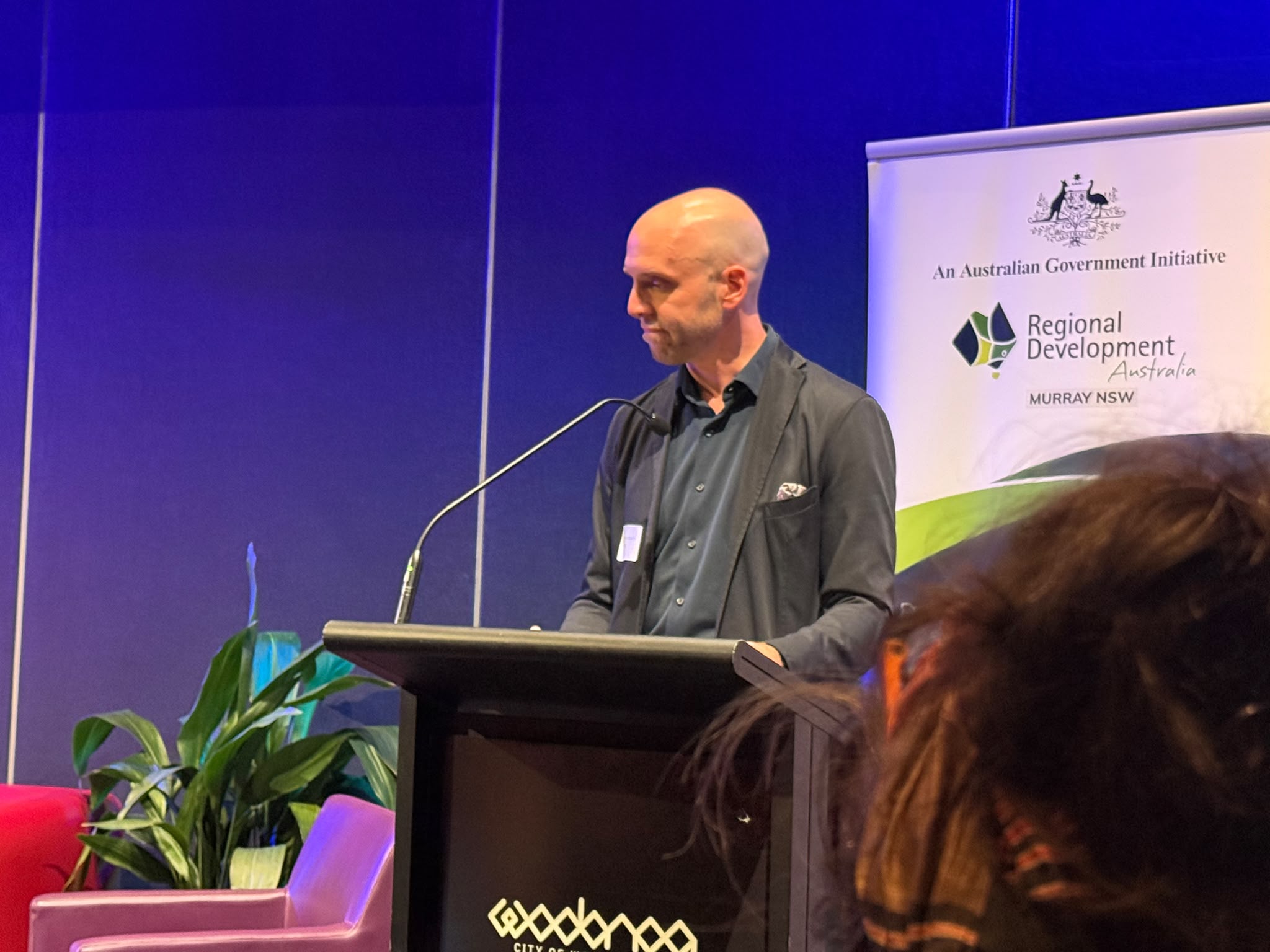
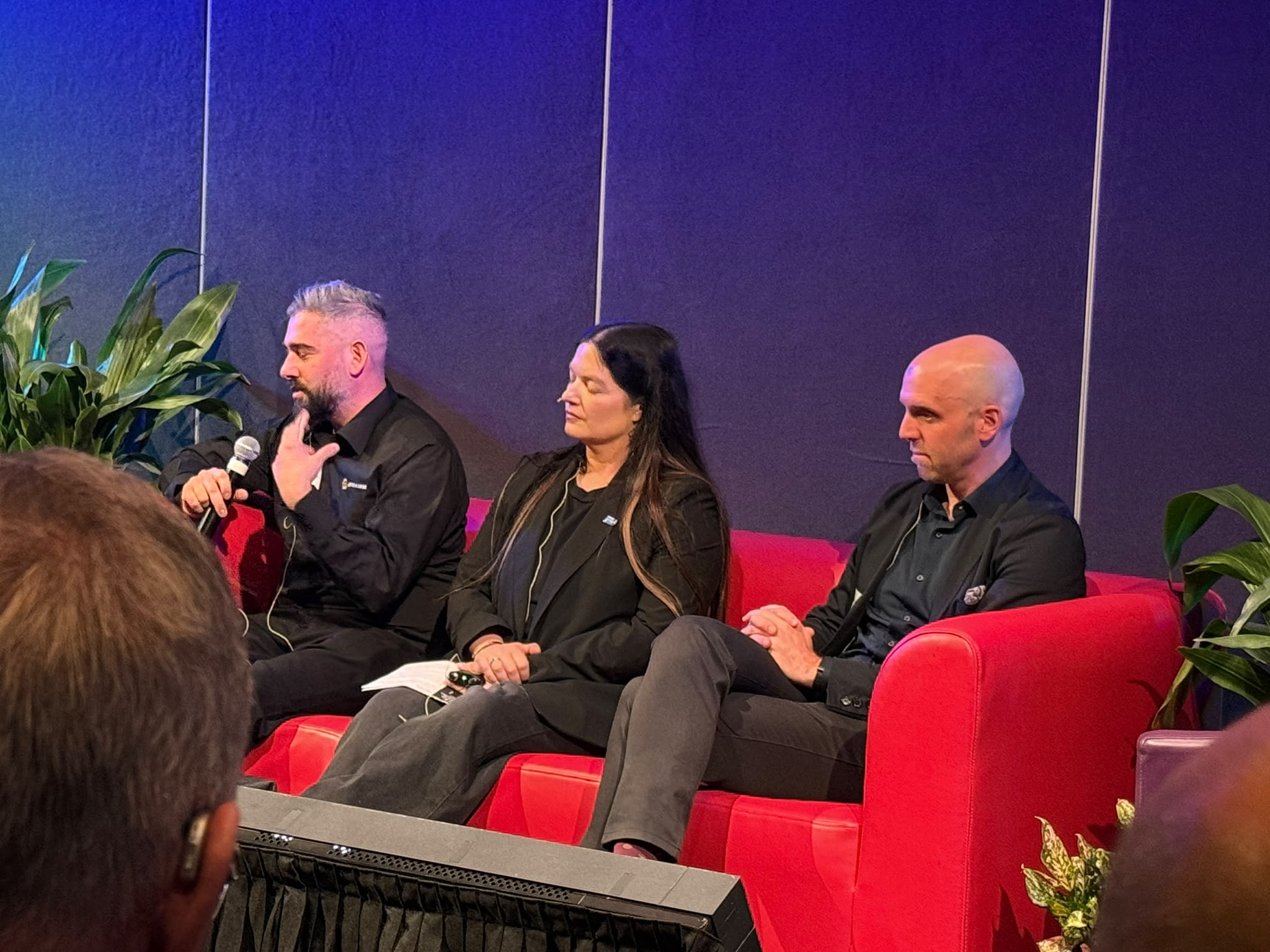
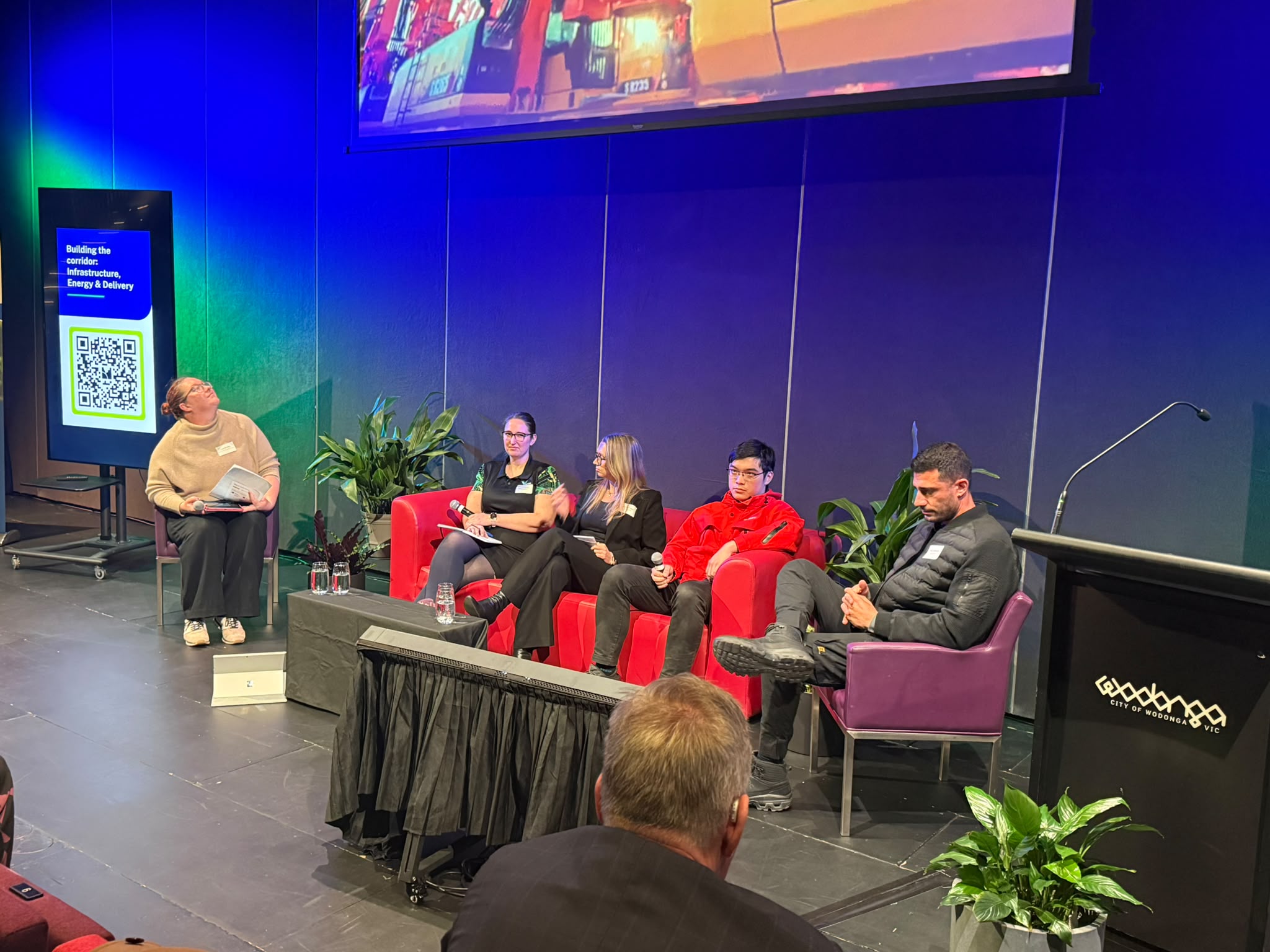
On 13 August 2026, ZETRFLEET attended the Electrification of the Hume Highway event at The Cube in Wodonga, where industry stakeholders discussed what it will take to electrify one of Australia’s most important freight corridors.
The main message from the discussion was clear: freight electrification will not be solved by vehicles alone. It requires coordinated action across infrastructure, demand aggregation, OEM procurement, energy planning, finance, safety, training, and regional development.
A key theme was the importance of corridor-based planning. Rather than treating electrification as a single-fleet decision, the discussion focused on how freight corridors such as the Hume can be electrified through shared infrastructure, anchor demand, and staged deployment. This includes a mix of depot charging, public charging, and aggregated hub-based charging models.
The I-10 Green Corridor in the United States was referenced as an example of how major shippers, carriers, and charging providers can work together. By aggregating demand, coordinating procurement, and using competitive RFPs, large organisations were able to help reduce truck and charging costs. The example was positioned as a useful blueprint for what could be possible in Australia.
Several speakers highlighted the need to start where the economics already make sense. A hub-first strategy was discussed, with regional freight movements around areas such as Albury, Wodonga, and Mildura identified as potential starting points before expanding into longer-haul use cases over time.
The conversation also reinforced the operational complexity of electrification. High-powered charging requires careful site assessment, staged energy planning, safety standards, asset management, and reliable customer experience. For operators, charging reliability, route planning, payload suitability, and downtime remain critical considerations.
Another important theme was the role of government. The discussion suggested that government does not need to be the sole capital funder, but can play a major role as a facilitator and coordinator across industry, infrastructure, and regional stakeholders.
Workforce development was also raised as a key requirement. Electrified freight corridors will need trained workers across high-voltage systems, charging maintenance, safety compliance, and infrastructure operations. This creates opportunities for regional training providers, local industry, and future workforce pathways.
Workforce development was also raised as a key requirement. Electrified freight corridors will need trained workers across high-voltage systems, charging maintenance, safety compliance, and infrastructure operations. This creates opportunities for regional training providers, local industry, and future workforce pathways.
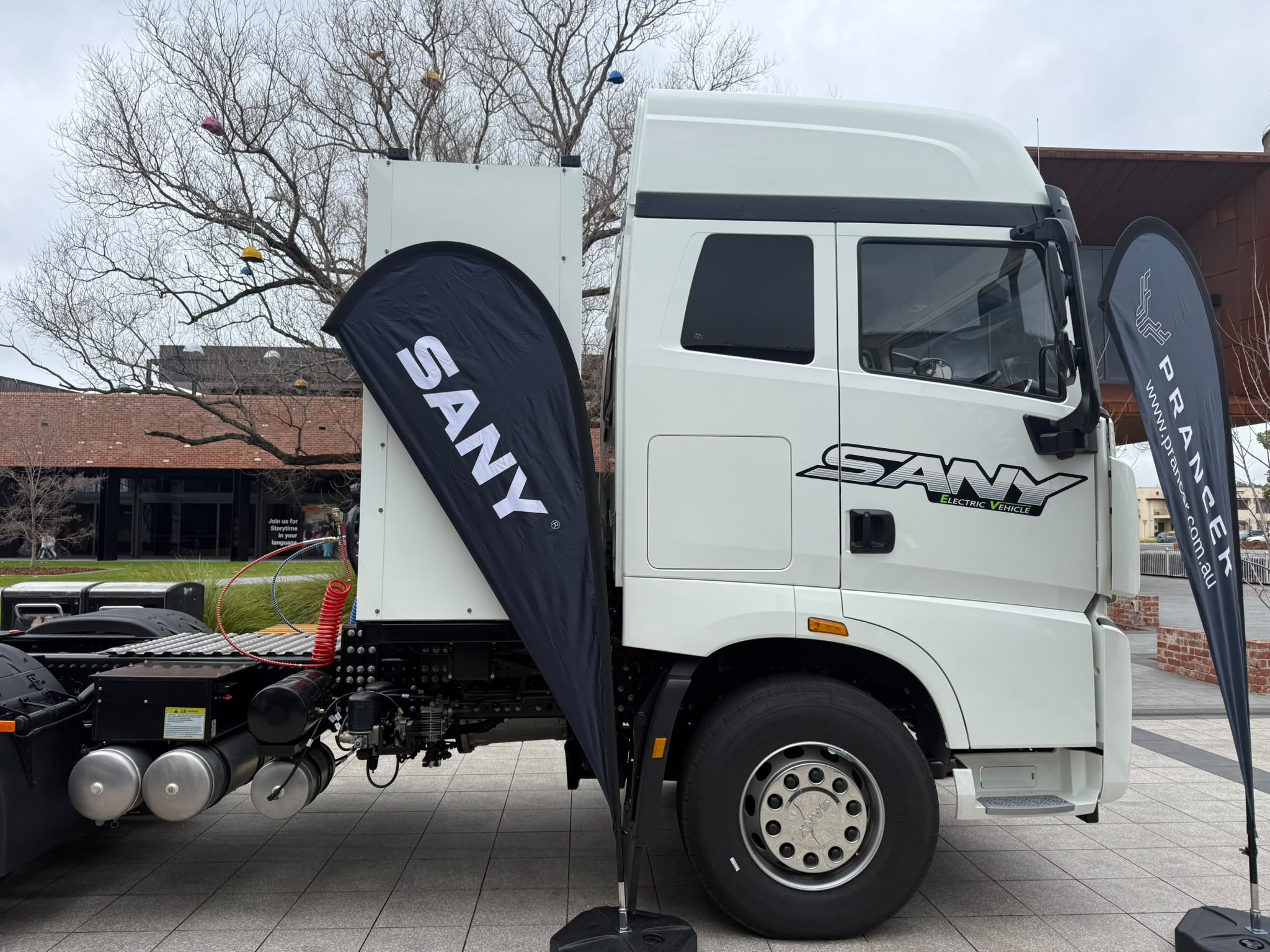
For ZETRFLEET, the event reinforced the importance of practical, evidence-led transition. Electrification is a long-term shift, and diesel will continue to play a role in many use cases for years to come. But the direction is clear. The near-term priorities are aggregation, hub-based pilots, reliable charging sites, coordinated procurement, and commercially practical deployment.
The Hume Highway discussion showed that freight electrification is not just a technology challenge. It is a coordination challenge. Progress will depend on operators, shippers, infrastructure providers, financiers, government, and regional partners working together to make the transition commercially viable and operationally reliable.
ZETRFLEET looks forward to continuing this conversation and contributing to the practical steps needed to support zero-emission freight across Australia.
 LinkedIn
ZETRFLEET